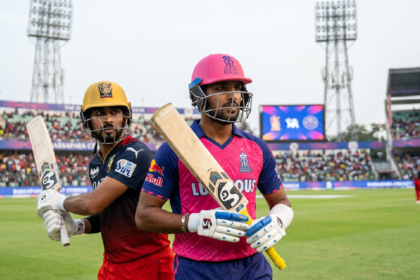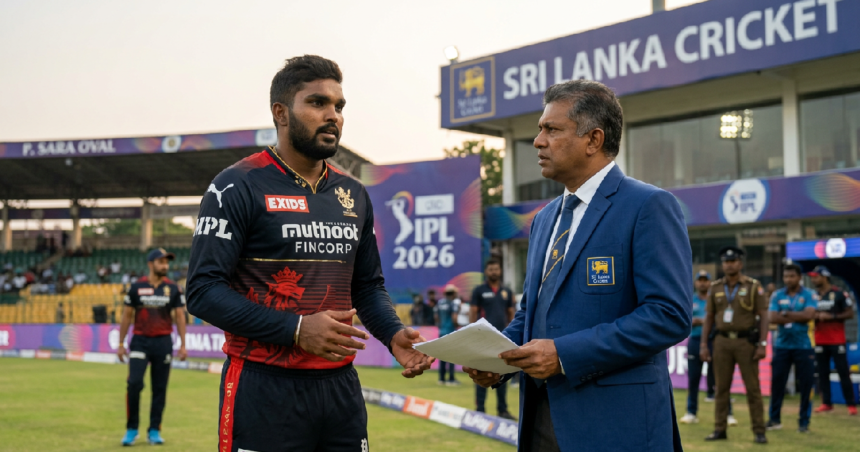
In a move that has sent shockwaves through the corridors of Asian cricket, a prominent Royal Challengers Bengaluru (RCB) star has reportedly initiated legal proceedings against Sri Lanka Cricket (SLC). The dispute centers on the national body’s recent handling of domestic commitments and No Objection Certificates (NOCs) during the Indian Premier League (IPL) 2026 season.
The friction underscores a widening rift between national board priorities and the lucrative opportunities available to players in the franchise circuit. While specific court documents are still being processed, sources close to the player suggest that the legal challenge seeks to address what is being termed as a breach of player agency and contractual interference.
Contractual Tensions Reach a Breaking Point
The core of the disagreement reportedly stems from SLC’s decision to schedule a series of fixtures or mandatory training camps that directly coincide with the mid-point of the IPL season. For the RCB talent involved, this created an immediate conflict: honor the national directive or fulfill the heavily incentivized contract with the Bengaluru franchise.
But this isn’t just about one missed game. The filing indicates a deeper frustration with the lack of clarity regarding the player’s release. In the modern game, the NOC is the ultimate tool of leverage for a cricket board. By withholding or delaying this document, SLC effectively blocked the player from participating in early-season matches, leading to significant financial losses and a perceived damage to his professional standing in the IPL market.
And it’s not the first time we’ve seen this kind of standoff. However, the decision to take the matter to a legal forum suggests that the usual back-channel negotiations between agents and the board have utterly failed.
Impact on RCB and the IPL Ecosystem
For Royal Challengers Bengaluru, the timing couldn’t be worse. The franchise relies heavily on its core international stars to maintain tactical balance. Being deprived of a frontline asset due to administrative wrangling in Colombo disrupts their team chemistry and planning for the 2026 campaign.
Franchise officials have remained largely quiet, but there is a growing sentiment behind the scenes that boards should be more accommodating given the established IPL window. The legal case may serve as a landmark moment. If a player successfully argues that a board cannot arbitrarily withhold an NOC without a justifiable cricketing reason, it could change how all ICC full-member nations manage their personnel during the months of April and May.
Sri Lanka Cricket’s Defensive Stance
SLC has historically maintained a firm “country first” policy. The board often argues that international commitments—including developmental tours and domestic tournaments intended to bolster the national pipeline—must take precedence over private leagues.
Initial responses from Colombo suggest they intend to vigorously defend their right to summon players for national duty. They contend that the scholarship and development programs provided to these athletes during their formative years grant the board a level of authority over their playing schedule. The outcome of this case will likely hinge on the specific wording of the central contracts signed at the start of the 12-month cycle.
Looking Ahead to the Verdict
The cricket world is watching closely. If the court sides with the RCB star, it could trigger a domino effect, with other international players feeling emboldened to challenge their respective boards over league participation. Conversely, a victory for SLC would reinforce the traditional power structure, where the board remains the ultimate arbiter of an athlete’s career path.
With the 2026 season progressing, the urgency of a resolution is mounting. Neither the player nor the franchise can afford a prolonged legal battle that leaves a key athlete on the sidelines during the peak of their career.
Frequently Asked Questions
Why is the RCB player suing Sri Lanka Cricket?
The player is reportedly challenging SLC’s decision to withhold or delay his No Objection Certificate (NOC) for the IPL 2026 season. The legal action focuses on the conflict between mandatory national duties and franchise commitments, which the player argues has caused professional and financial harm.
Can a board legally stop a player from playing in the IPL?
Technically, yes. Most central contracts state that a player requires a board-issued NOC to participate in foreign leagues. This legal case is significant because it questions whether the board has the right to refuse that document if the player isn’t actively playing in an international match at that time.
How does this affect RCB’s 2026 season?
The absence of a key international star forces RCB to reshuffle their overseas player combinations. It creates a tactical gap in the squad and puts pressure on the coaching staff to find a replacement who can match the specific skill set of the sidelined player while the legal proceedings continue.