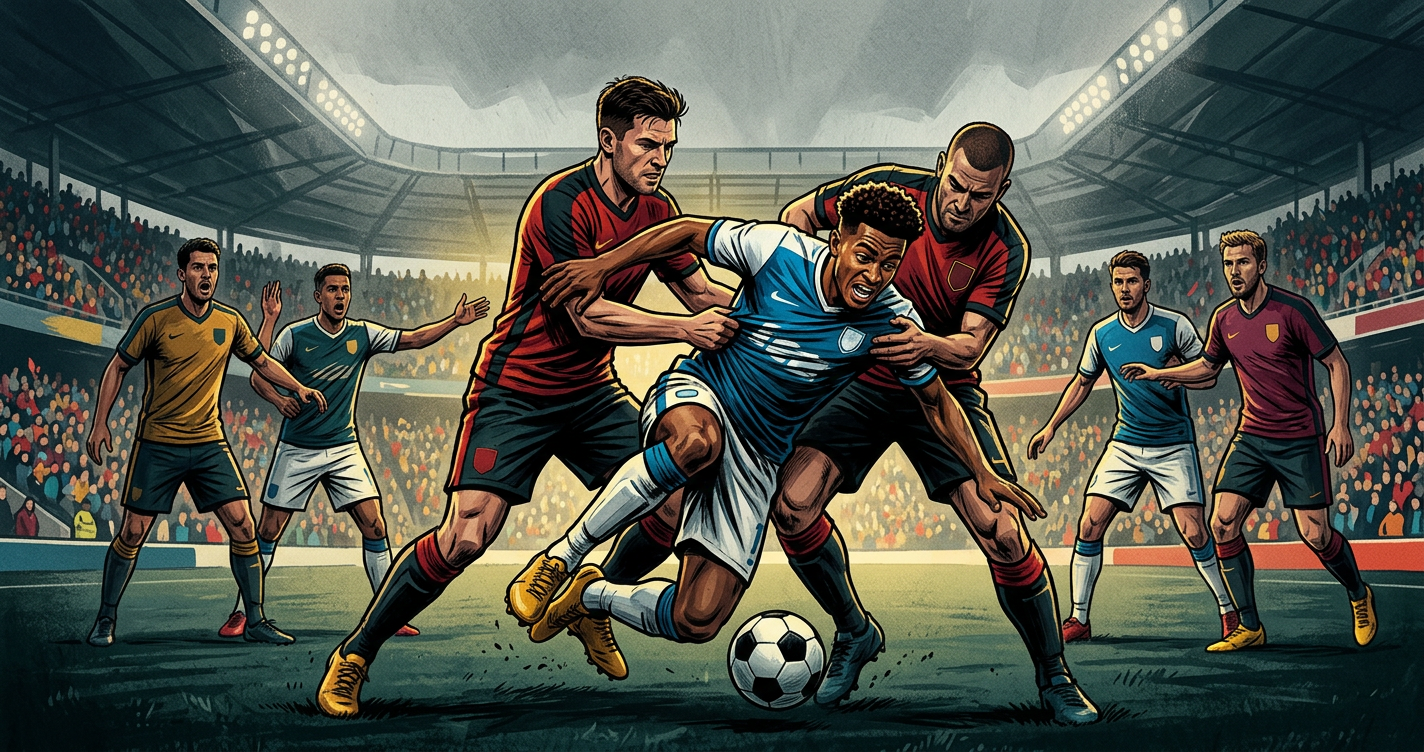
The universal language of sport is no longer just a whistle or a roar from the crowd. Across the globe, from the elite football leagues of Europe to the humid tennis courts of south Florida, a new set of physical signals has taken over. Players, coaches, and even fans are increasingly fluent in the choreography of the video review request.
Whether it is the frantic drawing of an imaginary rectangle in the air, the tapping of a forehead, or the “T” sign made with flat palms, these gestures have become as much a part of the athletic spectacle as the games themselves. But as sports technology becomes more integrated, the friction between the human intuition of an official and the indisputable evidence of a high-definition camera is reaching a boiling point.
The Evolution of the Invisible Screen
In football, the “TV signal” — a two-handed outline of a television screen — was once the exclusive domain of the referee. It was a formal indication that a moment of gameplay was being frozen, scrutinized, and potentially overturned. Today, however, the gesture has been democratized. It is the first reaction of a defender who has conceded a penalty and the desperate plea of a striker who believes they were clipped in the box.
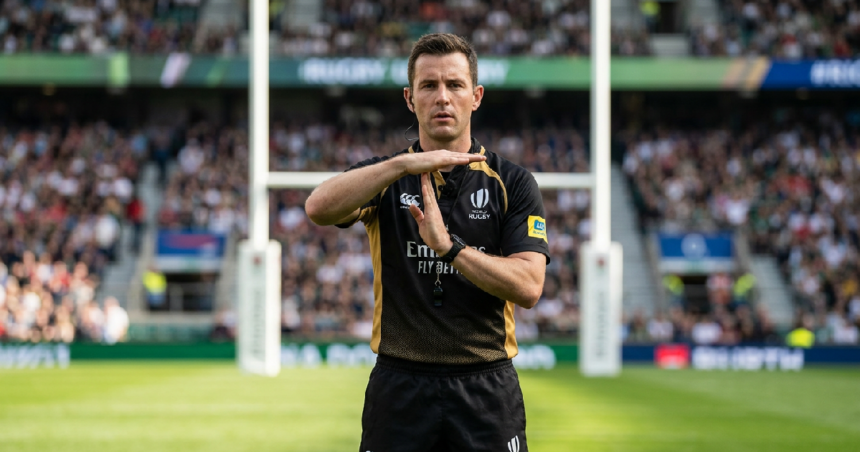
And it’s not just football. In cricket, the “T” sign for the Decision Review System (DRS) has become a psychological tool. When a captain makes the sign, it often carries a sense of either defiance or last-ditch hope. In rugby, the interaction with the Television Match Official (TMO) has slowed the game to a pace that some purists find unbearable, yet the demand for “absolute truth” remains the priority for governing bodies.
The gestures have even moved into the stands. It is now common to see thousands of supporters simultaneously “drawing the box” in the air, mimicking the officials in an attempt to influence a decision. It is a strange, synchronized performance that highlights how deeply ingrained technology has become in the emotional rhythm of the match.
Tactical Flaws and Technical Hubris
While the goal of these replays is accuracy, they often introduce new layers of human error. Recent tension at the Miami Open has highlighted how even the most sophisticated systems require human oversight. During a critical moment in the tournament, tactical debates shifted from player performance to the efficacy of the review process itself. Analysts like Jim Courier identified tactical flaws in players like Arthur Fils, but those discussions are increasingly overshadowed by debates over whether the “Electronic Line Calling” got it right.
There is a growing sentiment that the reliance on these signals is eroding the authority of the on-field official. When every decision is punctuated by a player signaling for a replay, the referee becomes less of a judge and more of a technician. The “twirling” finger gesture often seen in continental football, urging a ref to “go to the monitor,” puts an immense amount of social pressure on officials to second-guess their first instinct.
The Cultural Shift in Global Sport
The rise of these gestures reflects a broader shift in how we consume competition. We live in an era of the “frame-by-frame” breakdown. This has led to what some call the “clinicalization” of sport. In the Premier League, for instance, the agonizing wait for a VAR decision has changed the way fans celebrate goals. The spontaneous explosion of joy is often replaced by a nervous glance at the referee to see if he’s reaching for his ear or drawing that dreaded rectangle.
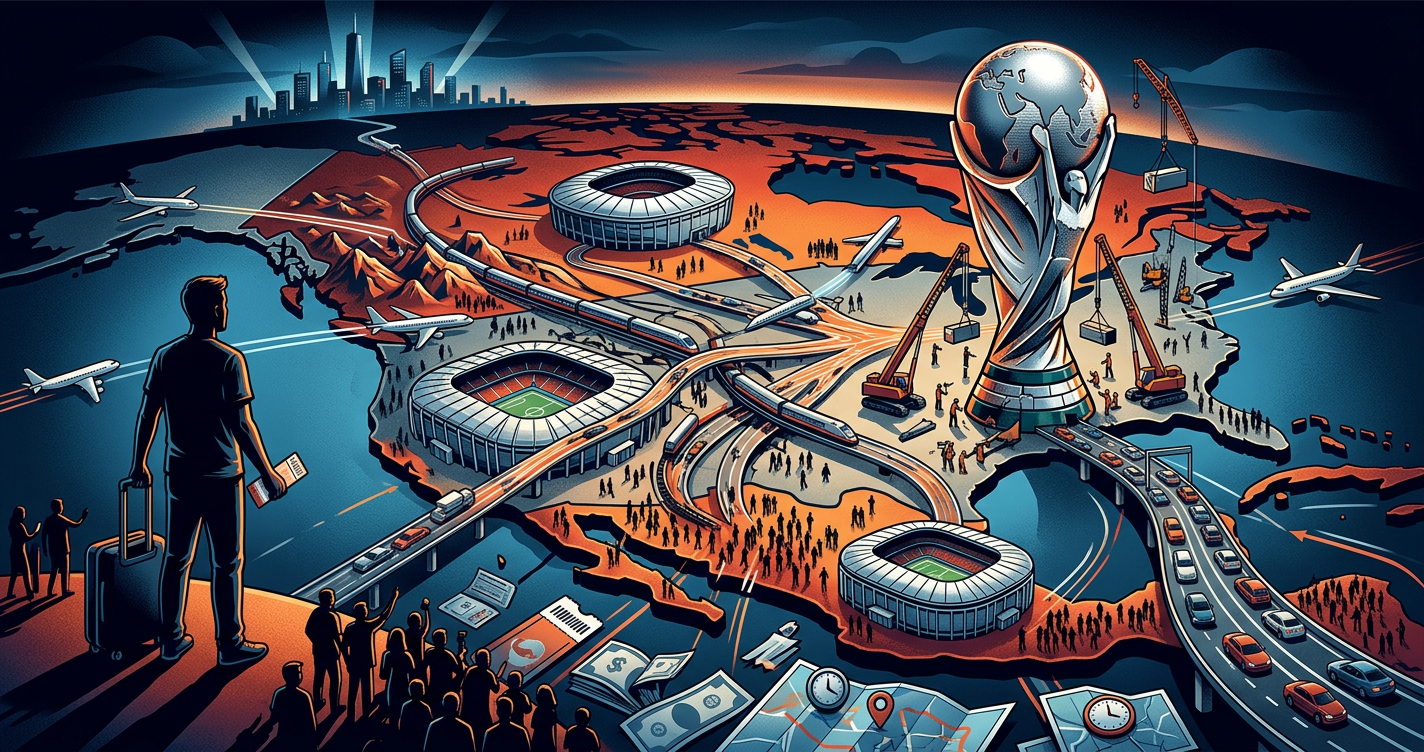
In North America, the challenge is even more complex. As organizers prepare for the next World Cup, the logistics of managing varying tech standards across dozens of venues present a massive hurdle. Ensuring that the replay technology — and the signals that trigger it — remains consistent across three countries is a primary concern for FIFA technicians.
Looking Toward a Seamless Future
Is there a way back? Unlikely. Once the “genie of objective truth” is out of the bottle, it remains impossible to convince a fan base that an incorrect decision should stand “for the good of the game.” The future likely holds even more automation. We are already seeing “semi-automated offside technology” where AI makes the decision in seconds, potentially rendering the player’s frantic “TV signal” obsolete before they even have time to raise their hands.
But for now, we remain in the era of the gesture. These signs have become a shorthand for the modern athlete’s relationship with authority: one defined by skepticism, data, and the hope that a camera in the sky saw what the man on the ground missed.
Frequently Asked Questions
Why do football players get booked for making the TV signal?
FIFA and various domestic leagues have introduced rules to protect the authority of the referee. While players are allowed to disagree with a call, aggressively “drawing the box” is seen as a form of dissent and an attempt to force the official’s hand, which often results in a yellow card.
Do tennis players still have a limited number of “signaled” challenges?
It depends on the tournament. While many major events have moved to “Live Hawk-Eye” (which calls every ball in real-time and eliminates challenges), some tournaments still use the traditional challenge system where players have a set number of allowed reviews per set.
Is the “T” sign used in all sports for reviews?
No, the “T” sign is most famously associated with Cricket (DRS) and Basketball (to signal a timeout or technical foul). In rugby, the referee usually signals a review by making a square shape with his hands or simply speaking into his microphone to the TMO.