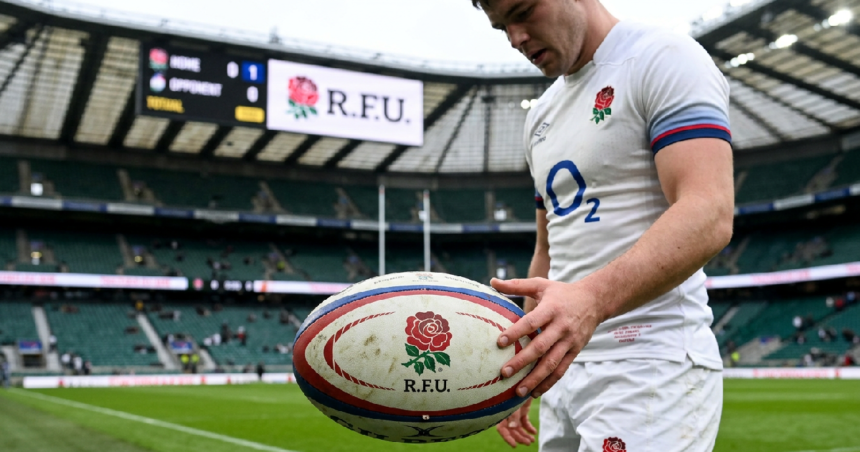
The numbers don’t lie, and for England men’s rugby, they have become increasingly difficult to ignore. As the 2026 international calendar begins to take shape, a sobering consensus has emerged among analysts and former internationals: this is the most consistently underperforming England era in two decades. Despite possessing the wealthiest union in the world and the largest player pool in the northern hemisphere, the national side has spent the last few seasons trapped in a cycle of mid-table mediocrity.
It isn’t just about the occasional loss to a Southern Hemisphere giant. It is the systemic failure to dominate a Six Nations tournament that they should, on paper, be favorites to win every year. Since the highs of the 2019 World Cup cycle, the trajectory has been stubbornly downward, marked by coaching changes that have yet to yield a distinct, winning identity.
The widening gap between resources and results
England enters every international window with advantages their rivals can only dream of. The RFU’s financial muscle and the depth provided by the Premiership should equate to a team that is perennially in the world’s top three. Yet, the reality on the pitch tells a different story. While Ireland and France have established clear tactical blueprints—rooted in cohesive club-to-country systems—England often looks like a collection of talented individuals searching for a plan.
The revolving door of the backroom staff and the frequent tinkering with the 10-12 axis have left the side looking disjointed. Critics point to the fact that England has struggled to maintain a winning percentage above 50% against Tier 1 opposition over the last several windows. For a nation that reached the 2003 World Cup summit and the 2019 final, the current stagnation feels more like a structural decline than a temporary slump.
Tactical rigidity and the identity crisis
One of the primary frustrations for the Twickenham faithful is the perceived lack of an “England way.” Under successive regimes, the team has oscillated between a restrictive kick-heavy pressure game and an expansive style that the players don’t quite seem to have the instinctive passing range to execute under pressure. This identity crisis has led to several high-profile collapses in the final twenty minutes of Test matches.
And then there is the discipline. England’s card count over the last 24 months has been among the highest of the top-tier nations. Whether it is poor tackle height or frustration-led infringements at the breakdown, these self-inflicted wounds have turned potential victories into demoralizing defeats. It is a hallmark of a team that isn’t comfortable in its own skin.
The pressure on the coaching setup
While the players must take their share of the blame, the spotlight is firmly on the management. The transition from the previous era was supposed to usher in a period of stability and tactical evolution. Instead, fans have been treated to a series of “rebuilding phases” that never seem to conclude. The excuse that the team is “young and learning” carries little weight when the core of the squad features players with 40 or 50 caps.
Success in rugby is often measured by the ability to adapt during the 80 minutes. Currently, England seems over-coached and under-prepared for the chaos of high-stakes Test rugby. When the original game plan falters, there is rarely a “Plan B” that doesn’t involve simply kicking the ball away and hoping for a mistake from the opposition.
A defining year ahead
The coming months will determine whether this is a permanent slide into the second tier of elite nations or a very long wake-up call. With the next World Cup cycle already moving at pace, the RFU cannot afford another year of “encouraging performances” that end in defeat. The standard has been set by the likes of Ireland and South Africa; they are the benchmarks, and currently, England isn’t even in the conversation.
If the current trajectory continues, questions about the fundamental structure of the English game—from the academy levels to the Premiership’s relationship with the national team—will become deafening. History won’t be kind to this era of English rugby unless they find a way to translate their immense resources into silverware.
Frequently Asked Questions
Why is England considered to be underperforming?
Despite having the most significant financial resources and player depth in world rugby, England has failed to win a Six Nations title or consistently beat top-five ranked teams in recent years. Their winning percentage against Tier 1 nations has dropped significantly compared to the 2000s and mid-2010s.
Is the issue with the players or the coaching?
It is likely a mix of both. While England has world-class talent, the lack of a consistent tactical identity and poor discipline suggests that the coaching structures haven’t been able to get the best out of the squad’s potential.
How does England’s current form compare to past decades?
Statistically, this is one of the leanest periods for England men’s rugby since the turn of the millennium. Unlike the early 2000s or the 2016-2017 period, the team currently lacks the aura of invincibility at home and struggles to put away lower-ranked opponents convincingly.