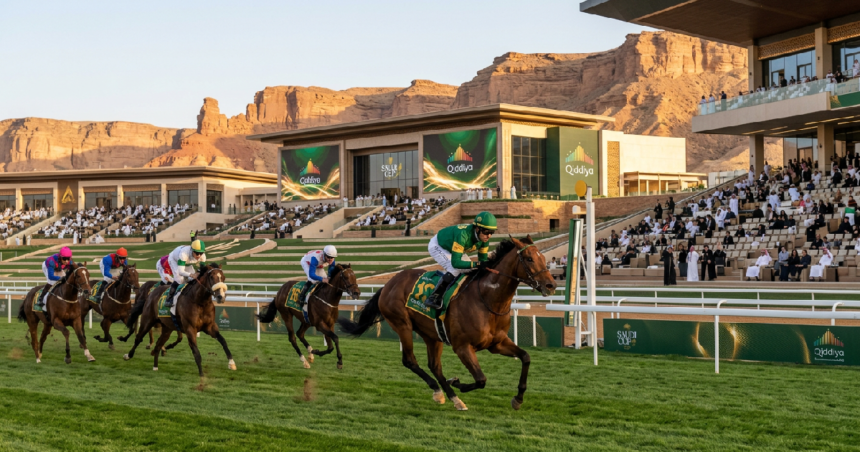
The landscape of global horse racing is set for a massive shift as Qiddiya City announces plans to develop a dedicated horse racing venue designed to become the permanent home of the Saudi Cup. This move signals a significant evolution for the world’s richest race, relocating it from its current base at King Abdulaziz Racecourse in Riyadh to a multi-billion dollar entertainment and sports destination.
The project is part of the broader Saudi Vision 2030 initiative, which aims to diversify the nation’s economy and establish it as a premier global hub for international sport. By moving the Saudi Cup to Qiddiya City, organizers are looking to integrate the prestige of elite racing with a larger-than-life spectator experience that includes high-tech infrastructure and an ambition to rival historic venues like Ascot or Meydan.
A custom-built home for the Saudi Cup
Since its inception, the Saudi Cup has successfully disrupted the international racing calendar by offering a $20 million purse that attracts the best dirt and turf runners from the United States, Europe, and Japan. However, the move to Qiddiya represents more than just a change of scenery. The new venue is expected to feature world-class facilities designed specifically for the logistical demands of a high-stakes international meeting.
Reports suggest the track will be the center-piece of a broader equine district within Qiddiya City. This isn’t just about a grandstand and a finishing post; it is an attempt to create a year-round ecosystem for the sport. For owners and trainers, the appeal lies in the promise of cutting-edge quarantine facilities and training tracks that could potentially encourage more international operations to set up satellite stables in the region during the winter months.
The move also addresses the growing demand for a more immersive fan experience. While King Abdulaziz Racecourse has served the event well, Qiddiya’s philosophy is built on “play.” The new venue is expected to be surrounded by luxury hospitality, theme parks, and performance venues, making the Saudi Cup the anchor of a massive weekend of entertainment rather than a standalone sporting event.
Shift in the Middle Eastern racing power balance
For decades, Dubai’s Meydan was the undisputed king of Middle Eastern racing. But the emergence of the Saudi Cup—and now the development of a bespoke city focused on sport—has changed the math. The Saudi Cup has already established itself as a critical stop on the way to the Dubai World Cup, and a specialized venue at Qiddiya could solidify Riyadh’s status as a primary destination rather than a preliminary fixture.
But the expansion isn’t without its challenges. Maintaining a high-quality dirt surface in the desert heat requires constant innovation, and the logistical feat of moving an established international event to a brand-new city is immense. However, given the resources being poured into Qiddiya, the racing industry is watching closely. There is a sense that this venue will set a new standard for how modern racecourses are designed from the ground up.
And then there is the impact on the local scene. The Saudi racing industry has seen a surge in domestic ownership since the first Saudi Cup was run in 2020. This new venue at Qiddiya is intended to serve as a catalyst for local talent, providing a stage where Saudi-bred horses and local jockeys can compete against the global elite in their own backyard.
Looking toward the first gates at Qiddiya
Specific timelines for the completion of the Qiddiya horse racing venue are still being finalized, but the announcement marks a point of no return for the Saudi Cup’s ambitions. The event has outgrown its origins and is now seeking a stage that matches its $20 million price tag.
Once operational, the venue will likely host more than just the Saudi Cup. There is already talk of expanding the racing calendar in Qiddiya to include international carnivals similar to those seen in Dubai or Hong Kong. For the global racing community, this means another major pillar in the international circuit, offering lucrative opportunities and world-class competition in a part of the world that is rapidly becoming the sport’s new financial engine.
Frequently Asked Questions
Will the Saudi Cup remain the richest race in the world at the new venue?
Yes, there are currently no plans to reduce the $20 million purse. The move to Qiddiya City is actually intended to increase the event’s profile and commercial value, ensuring it remains the pinnacle of the international racing calendar in terms of prize money.
What makes Qiddiya City’s racing venue different from existing tracks?
Unlike many historic tracks that have been modernized over time, the Qiddiya venue is being built from scratch as part of a dedicated “gigaproject.” This allows for the integration of smart-stadium technology, superior viewing angles, and a layout that prioritizes horse welfare and international transport logistics from the very beginning.
How will this move affect the international racing schedule?
The Saudi Cup is typically held in late February, acting as a bridge between the Pegasus World Cup in Florida and the Dubai World Cup. The new venue at Qiddiya will likely solidify this slot, making it an even more essential destination for the world’s top-rated horses during the early part of the year.