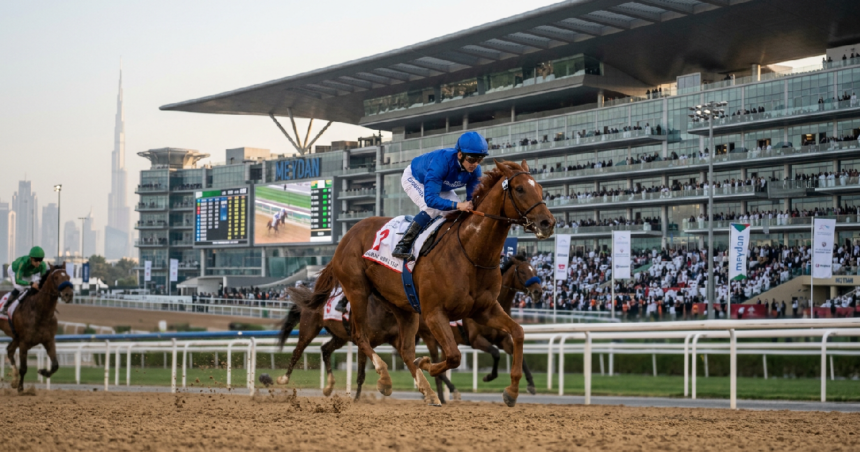
Meydan Racecourse prepares to host the 30th renewal of the Dubai World Cup this weekend, solidifying its position as the crown jewel of Middle Eastern racing. With a $12 million purse on the line for the feature race, the event has once again drawn a sophisticated international field, pitting battle-hardened American dirt specialists against the tactical precision of Japanese contenders and the best of the local Godolphin stable.
Global Powerhouses Converge on Meydan
The narrative of the 2026 Dubai World Cup centers on a clash of philosophies. Traditionally, the 2,000-meter dirt contest has been the playground of the American Thoroughbred, prized for their gate speed and relentless stamina. However, the last several years have seen a tectonic shift in power toward Japan. Following consistent success in Riyadh and Dubai, the Japanese contingent arrives this year with a formidable roster of middle-distance stars who have proven they can handle the kickback and the heat of the desert night.
Conditioners from the United States have not taken this challenge lightly. Several high-profile trainers have bypassed domestic opportunities in Florida and California to ensure their charges had ample time to acclimatize to the UAE climate. The surface at Meydan often plays fast, which may favor those who can secure a position near the rail early, but the long home straight has a history of swallowing up leaders who mistime their kick.
Early Market Moves and Betting Landscapes
While official morning line odds are often fluid until the final draw, early exchange markets suggest a tightly contested affair. There is no clear-cut “odd-on” favorite this year, which creates a fascinating puzzle for handicappers. The lack of a dominant superstar like Flightline or Arrogate means value can be found in the mid-range of the betting market.
Local support will undoubtedly gravitate toward the blue silks of Godolphin. Under the guidance of Charlie Appleby and Saeed bin Suroor, the home team has a storied history in this race. While their recent dominance has been more pronounced on the turf during the Carnival, their dirt representatives have shown enough progression over the winter to warrant serious respect. Betting patterns indicate that horseplayers are looking for “course and distance” experience, a factor that often outweighs raw speed figures when racing in the Middle East.
Tactical Battles Across the Undercard
The Dubai World Cup is not a one-race show. The supporting card features some of the most lucrative turf sprints and staying races in the world. The Dubai Sheema Classic, in particular, looks set to be one of the highest-rated races of the year globally. It likely features a rematch of several Longines World’s Best Racehorse contenders who skipped the winter break in favor of this massive prize.
In the UAE Derby, the stakes are equally high as three-year-olds vie for qualifying points toward the Kentucky Derby. This race has become a vital path for international owners dreaming of Churchill Downs, and the 2026 edition features a mix of European turf-to-dirt converts and promising local winners. Success here doesn’t just mean a trophy in Dubai; it means a plane ticket to Louisville in May.
Looking Ahead to the Big Night
As the sun sets over the iconic crescents of the Meydan grandstand on Saturday, the atmosphere will be electric. For the trainers and jockeys involved, this is about more than the staggering prize money; it’s about the prestige of winning one of the world’s most difficult races to win. The track condition on the night will be the final variable. If the wind picks up and the sand dries out, it becomes a test of sheer grit. If the moisture levels hold, we could see record-challenging times.
Regardless of the outcome, the 2026 Dubai World Cup remains the definitive bridge between the spring targets in the Northern Hemisphere and the coming summer festivals in Europe. It is the night where the racing world truly becomes one.
Frequently Asked Questions
What time does the Dubai World Cup feature race start?
The main event typically takes place as the final race of the evening, usually scheduled for around 8:35 PM local time (GST). This allows the temperature to drop and provides the spectacular night-racing backdrop Meydan is known for.
Can American horses still dominate on the Meydan dirt?
While Japan and local trainers have closed the gap, American horses remain the gold standard for dirt racing. Their natural gate speed is a massive advantage at Meydan, provided they can handle the travel and the specific “oil-enhanced” dirt texture used at this track.
Is there a dress code for spectators at Meydan?
Yes, the Dubai World Cup is a major social event. While the general public areas are more relaxed, the enclosures and hospitality suites require formal attire—think morning suits, fascinators, and high-end fashion. It rivals Royal Ascot in the style stakes.