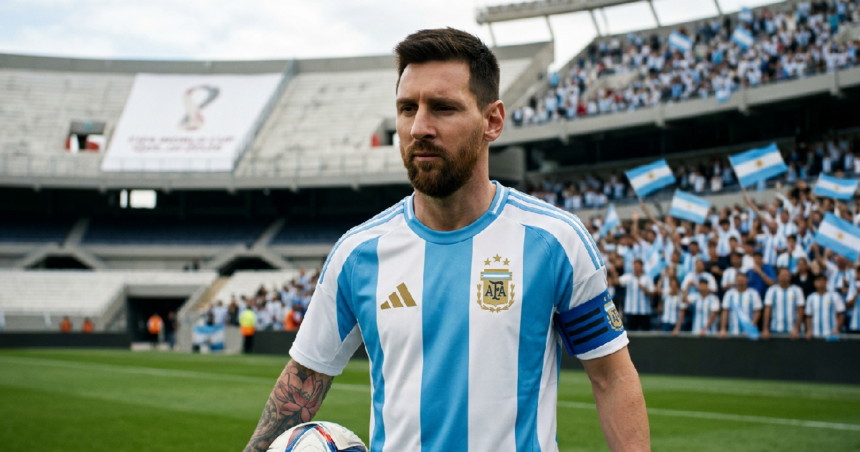
The question that has dominated global football since that frantic night in Lusail in 2022 is no longer a matter of ‘if’ or ‘when,’ but ‘how much longer.’ Lionel Messi, the man who finally conquered his demons and secured Argentina’s third star, is facing the biological reality of a 39th year that is fast approaching. As preparations for the World Cup 2026 intensify across North America, the latest updates from the Argentina camp suggest the captain’s presence is far from a foregone conclusion.
Messi has been characteristically coy about his intentions. While he remains the heartbeat of Lionel Scaloni’s side, recent minor injuries and the physical toll of his commitments in Major League Soccer have sparked fresh debate. For fans in the United States, Mexico, and Canada, the prospect of a Messi-less tournament is a sobering thought, but within the Argentine Football Association (AFA), the focus remains on managing the legend’s workload one month at a time.
The burden of the defending champions
Argentina is currently navigating a grueling qualification cycle, and while their place in the expanded 48-team tournament feels secure, the reliance on Messi remains evident. Every time he misses a training session or sits out a domestic fixture for Inter Miami, the alarm bells ring in Buenos Aires. It’s not just about his left foot anymore; it’s about the recovery time between high-intensity matches.
Scaloni has been careful to build a supporting cast that can function without their talisman, yet the psychological weight Messi carries is irreplaceable. Sources close to the national team suggest that Messi’s decision will likely hinge on his physical condition in the spring of 2026 rather than any lack of desire. He has already achieved everything, which in a strange way makes the decision harder — he only wants to play if he can compete at the level the world expects of him.
But the logistical demands of the upcoming tournament are unlike anything the players have experienced. With matches spread across three massive countries, the travel schedules will be taxing. This reality is a central theme in the broader discussion surrounding the North American World Cup logistical hurdles, which may impact veteran players more than most.
The Inter Miami factor and physical longevity
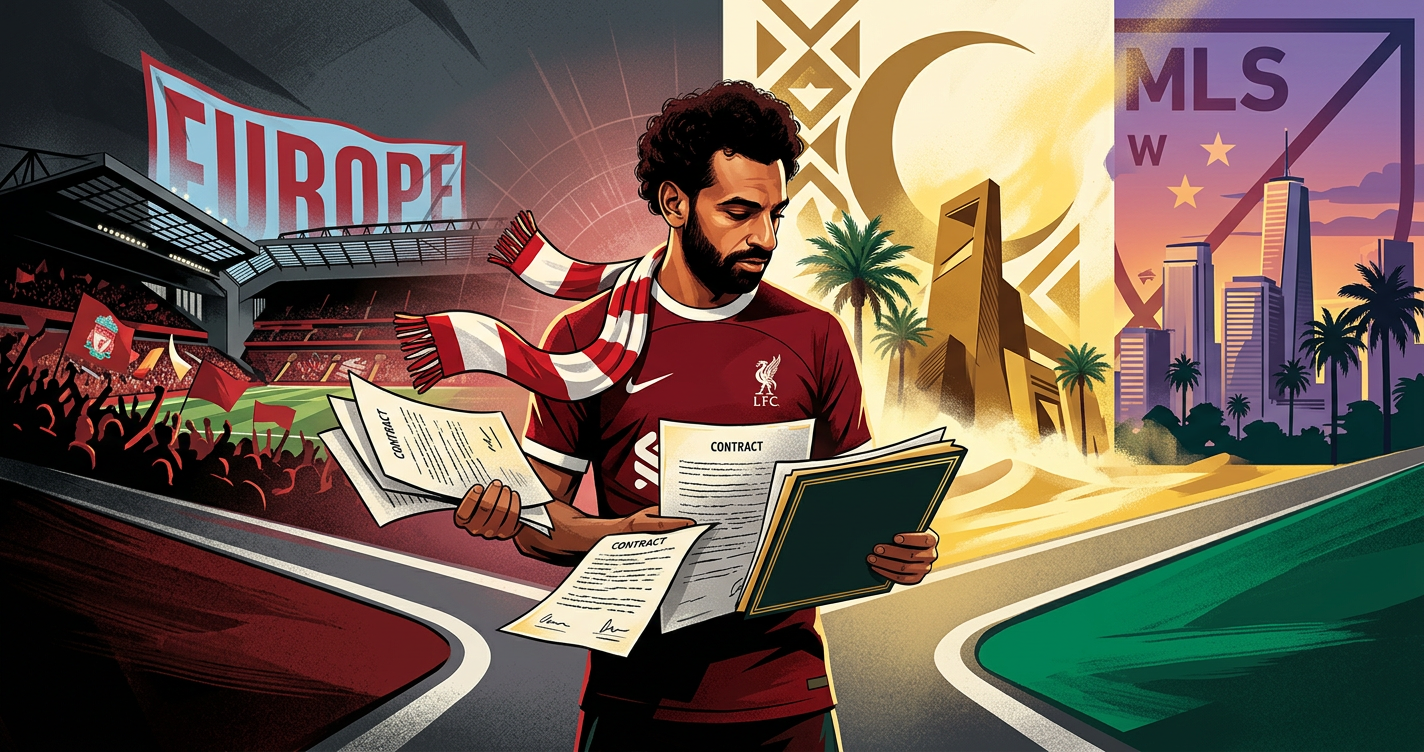
The move to Florida was supposed to be a wind-down, a way to enjoy the twilight of a storied career in a less pressurized environment. Instead, Messi has become the focal point of a massive commercial and sporting expansion in the U.S. The intensity of the MLS schedule, combined with Leagues Cup and CONCACAF commitments, means he is playing more than many expected.
Medical staff have noted that soft-tissue injuries become more frequent as players enter their late 30s. Messi has already missed significant chunks of the current season due to recurring muscle fatigue. While he still possesses the vision and set-piece lethalness that define him, the explosive bursts past three defenders are becoming rarer. The question isn’t whether Messi is still good enough — he clearly is — but whether his body can withstand seven matches in 28 days against the world’s elite.
Argentina looks toward a post-Messi era
The AFA is quietly preparing for both eventualities. If Messi plays, he becomes the first man to participate in six World Cups. If he doesn’t, the torch passes to a new generation led by Julian Alvarez and Alexis Mac Allister. There is a sense within the squad that they owe it to Messi to be ready to stand on their own feet, much like they did during stretches of the recent Copa América.
And while Messi’s status remains the primary focus of football fans, the sports and financial worlds are shifting in other ways. While the 2026 tournament will be a massive driver of traditional revenue, emerging markets are also bracing for change. Just as utility shifts dictate 2026 market trends in the digital space, the “utility” of senior players in a high-press modern game is being scrutinized more than ever.
So, will he be there? If you listen to his teammates, there is no doubt. They will carry him if they have to. If you look at the medical reports and the travel itinerary for June 2026, the path looks much steeper than it did two years ago.
World Cup 2026 FAQ
Has Lionel Messi officially retired from international football?
No. As of early 2026, Messi remains the captain of the Argentine national team and continues to feature in World Cup qualifiers. He has stated he will take it “one day at a time” before committing to the 2026 tournament.
What would happen if Messi cannot play?
Argentina would likely lean on their established core of 2022 winners. Lionel Scaloni has integrated younger talent into the midfield to reduce the team’s tactical dependence on a single playmaker, though Messi’s leadership role would be difficult to fill.
How many World Cups has Messi played in?
Messi has appeared in five World Cups (2006, 2010, 2014, 2018, and 2022). If he plays in 2026, he will set a new record with six tournament appearances.